Forgiveness: The Key to Freedom
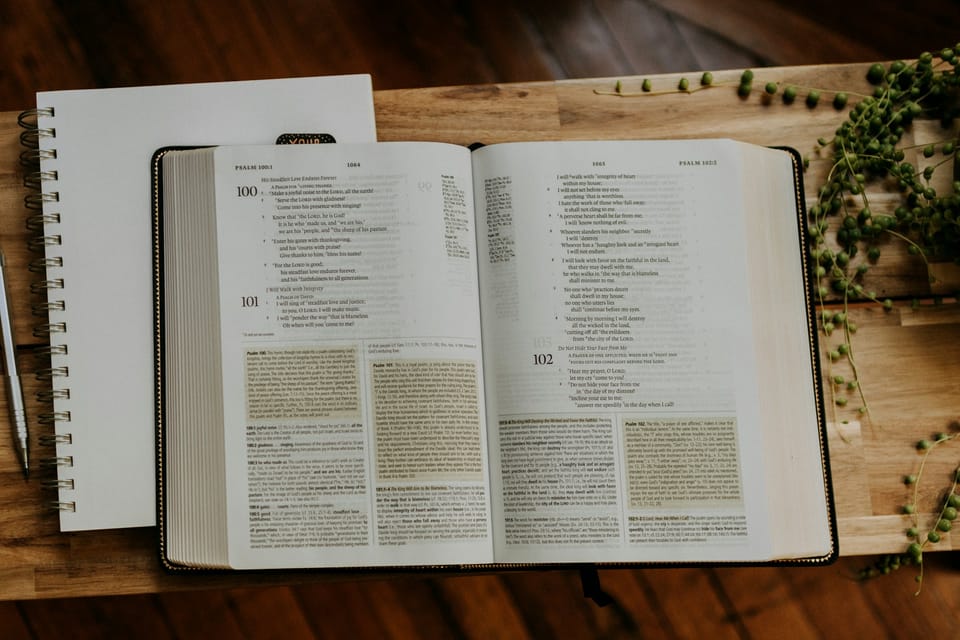
In the heart of the Lord's Prayer lies a profound truth that challenges and inspires us: "And forgive us our debts, as we forgive our debtors." (Matthew 6:12). This simple yet powerful request for forgiveness reminds us of the reciprocal nature of grace. It invites us to reflect on our own actions and attitudes towards others, emphasizing that our relationship with God is intricately linked to our relationships with those around us.
The Weight of Unforgiveness
Holding onto grudges and resentment can feel like carrying a heavy burden. It weighs down our spirit and can often cloud our judgment. In refusing to forgive, we not only distance ourselves from others but also from the peace that God desires for us. Forgiveness is not merely an act; it is a choice that leads to freedom. When we choose to forgive, we release the chains that bind us to past hurts and open our hearts to healing and restoration.
The Beauty of Forgiveness
Forgiveness is a reflection of God's love and mercy. Just as we seek forgiveness for our wrongdoings, we are called to extend that same grace to others. This is not always easy; it requires humility and often a deep inner strength. However, the beauty of forgiveness lies in its transformative power. When we forgive, we mirror the heart of Christ and become vessels of His love in a world that desperately needs it.
As we contemplate the significance of forgiveness in our lives, let us ask ourselves how we can embody this principle daily. How can we cultivate a spirit of forgiveness that not only seeks our own freedom but also blesses those around us?
Self-Assessment Questions
- Who in my life do I need to forgive, and what steps can I take to do so?
- In what ways can I seek forgiveness from others for my own actions?
- How does practicing forgiveness affect my relationship with God?
- What are the barriers that prevent me from forgiving others, and how can I overcome them?
- How can I remind myself daily of the importance of forgiveness in my spiritual journey?