Blessed Are the Peacemakers
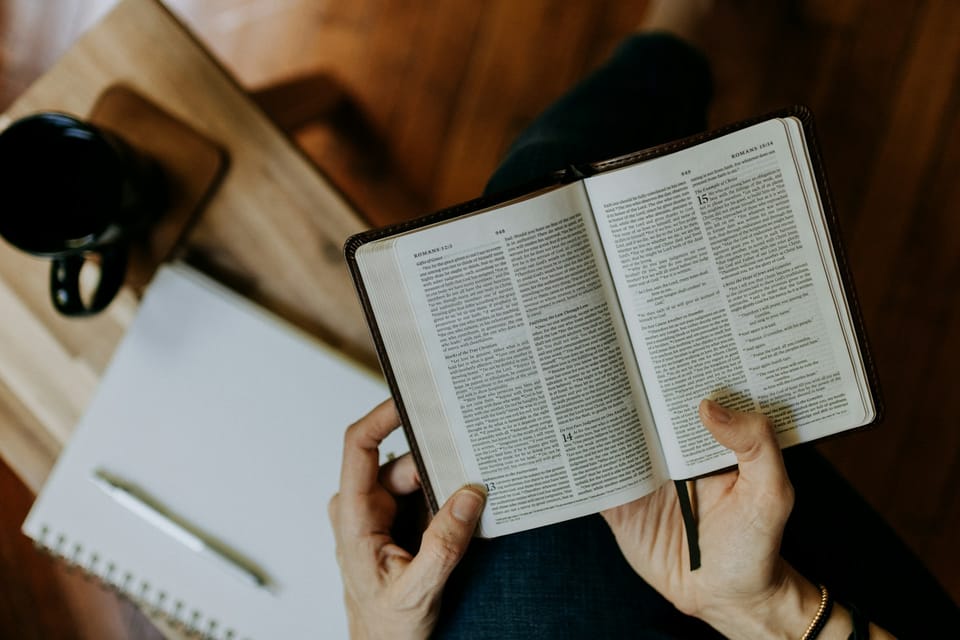
In a world often filled with conflict and division, the call to be a peacemaker resonates profoundly. Matthew 5:9 states,
“Blessed are the peacemakers: for they shall be called the children of God.”
This verse challenges us to seek harmony in our relationships and communities. It reminds us that peacemaking is not merely the absence of conflict but the active pursuit of reconciliation and understanding.
The Divine Call to Peacemaking
To be a peacemaker is to embrace our identity as children of God. When we engage in acts of peace, we reflect the character of our Heavenly Father. God Himself is known as the ultimate source of peace, and as His followers, we are invited to share in this divine mission. Peacemaking requires courage, compassion, and commitment. It calls us to step out of our comfort zones and address the tensions that arise in our lives.
Being a peacemaker means more than just resolving disputes; it involves fostering an environment where love and understanding can flourish. It encourages us to listen actively, to empathize deeply, and to communicate openly. When we strive to build bridges rather than walls, we create pathways for healing and growth.
The Blessings of Peacemaking
The promise that follows the call to be peacemakers is profound. Those who pursue peace shall be called the children of God. This title carries immense weight, as it signifies a close relationship with the Creator. In being peacemakers, we not only bless others but also receive blessings ourselves. Our efforts to cultivate peace can lead to deeper connections, greater joy, and a more fulfilling life.
Moreover, peacemaking can transform communities and nations. When individuals commit to peace, they inspire others to do the same. This ripple effect can lead to a culture of understanding and respect, where differences are celebrated rather than condemned. Let us take to heart the call to be peacemakers in our everyday lives, knowing that our actions can reflect the love of God to the world.
Self-Assessment Questions
- In what areas of my life do I need to pursue peace more actively?
- How can I show compassion and understanding to those I disagree with?
- What practical steps can I take this week to be a peacemaker in my community?
- How does my relationship with God influence my ability to make peace with others?